
Financing Gaps in the Waste and Circularity Sector: The Way Forward
Africa’s waste and circularity sector holds immense promise but remains notably underfinanced. Research by the African Development Bank indicates that a transition to circularity has the potential to generate upwards of USD 350 billion in economic opportunities by 2030. However, there’s a big gap between the potential and the current state of the market estimated to be worth USD 21.7 billion as at 2024, despite it being a powerful lever for climate action and sustainable development.
Against this backdrop, businesses with the most potential such as those transforming plastic into building materials, composting organic waste for agricultural use, or innovating digital waste tracking are caught in a financing paradox. While these enterprises have significant environmental, and social impact, their long-term return profiles, coupled with operational informality and unproven business models, has led financiers to perceive them as “high risk.”
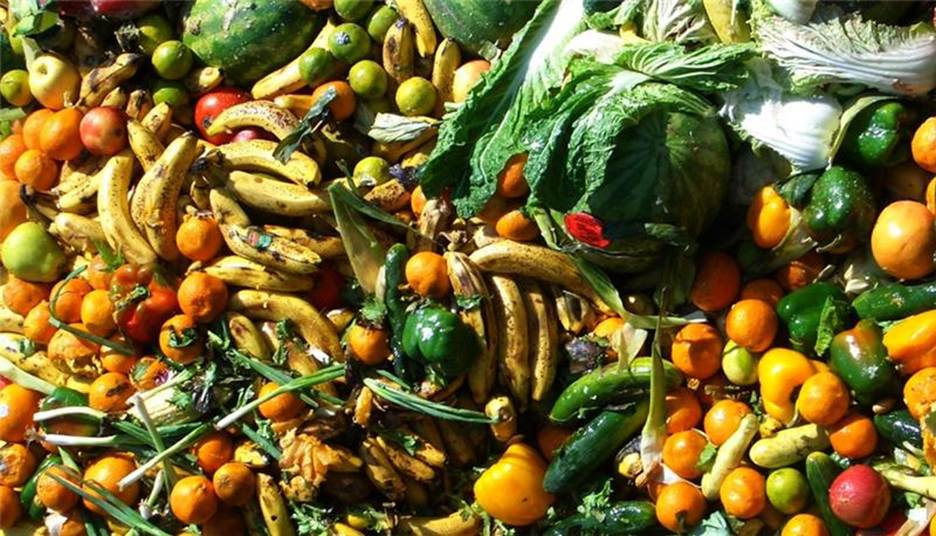
This article unpacks the root cause of these financing gaps and explores how strategic interventions such as the Waste and Circularity Program, are emerging to help close the loop.
The Financing Challenges
- Perception of the sector as ‘high risk’
Impact, DFIs and non-profit investments funds have played a key role in the development of the ecosystem. They provide capital in form of grants, debt, or equity on concessional terms to early and growth stage businesses in the sector to address the financing gap. However, the financing is often in smaller ticket sizes of between USD 50,000 to USD 500,000 because of the perceived high-risk nature of the businesses. In addition, most commercial lenders, shy away from investing in the sector. Among the reasons include; most businesses have yet to prove commercial viability and a long break even timeline and lack of disruptive innovations.
- Mismatch in investment terms
Most businesses in the sector require high capital expenditure (CAPEX) upfront. This may include the cost of purchasing equipment, setting up processing infrastructure, and building logistical networks. They also need significant amounts of working capital to sustain operations like waste collection, transportation, and labor, which often involves informal and fragmented supply chains. By nature, these cost structures are long-term, and it may take some time for the businesses to be profitable. However, there is a big disconnect between what these businesses need and what the financiers offer. The market avails financial instruments that are short term in nature, with high interest repayment and rigid repayment schedules, putting a huge financial burden on the businesses which require more of patient capital.
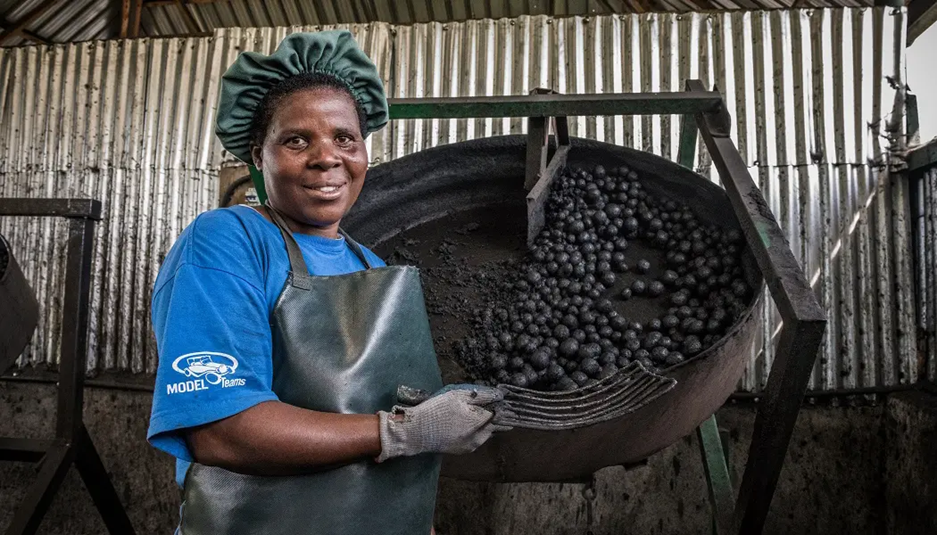
Photo courtesy: FINCA International
- Knowledge gap among financiers
The technical understanding of how the business models in the sector work by financiers has limited their ability to invest. Often, they employ traditional metrics such as Return on Investment (ROI), asset collateral and linear growth projections to determine how the businesses create value. Case in point, a business in Kiambu, collecting organic waste and converting it to organic fertilizer presents a clear value proposition of reducing greenhouse gas emissions (GHGs) while promoting soil heath for smallholder farmers. Yet, it may struggle to secure funding because such impacts cannot be easily traced or quantified in the immediate term, and therefore do not align with the short-term financial returns that investors may be seeking.
- Internal Structural Constraints
On the enterprises’ side, many have serious internal capacity constraints which limit their readiness to absorb and attract capital. A good number have poorly maintained accounts, often relying on informal bookkeeping practices that lack transparency and accountability. This makes it difficult to develop credible financial projections or respond to due diligence queries from investors or lenders. Many enterprises are running on thin operating margins, and can barely afford to hire qualified staff, invest in growth, or formalize operations. As a result, they are trapped in informality which further deepens investor skepticism.
These challenges highlight the need to streamline the waste and circularity businesses at national, regional and continental level to help in de-risking investments and support enterprise development at large. Agri Frontier in partnership with ANDE is at the forefront of addressing these challenges through the Waste and Circularity Program. The program provides tailored technical assistance to growth-stage businesses through structured mentorship, financial advisory, and investor engagement. This includes improving accounting systems, developing financial models, and crafting compelling investment narratives that communicate the potential of the business. By doing so, Agri Frontier is helping enterprises overcome internal structural weaknesses that would otherwise exclude them from funding opportunities.
The partnership with ANDE brings in a powerful ecosystem of financiers, development partners, and capacity-building institutions, all working together to unlock capital and scale innovation in the waste and circularity sector. Ultimately, such initiatives support the emergence of a more inclusive, climate-resilient economy, where circular solutions are not seen as risky outliers but as viable, investable contributors to sustainable development.
Author: Inzillia Sasi
← Back to Insights