
The Most Dangerous Day for an Agribusiness Is the Day the Money Lands
 Annabell OkendoInvestment Analyst
Raising capital is the milestone every founder works towards. The real test comes after the money lands, when a business takes on obligations and plans it has never executed. Annabell Okendo on why what happens after the cheque clears, not the cheque itself, decides whether growth holds.
The funds clear on a Tuesday, or Thursday. After months of financial modelling, investor meetings, term sheet negotiations and due diligence, the founder can finally exhale. The investor records another deal closed. The programme that helped prepare the business counts one more successful capital raise.
Then everyone turns their attention elsewhere, just as the business enters the most exposed period of its life.
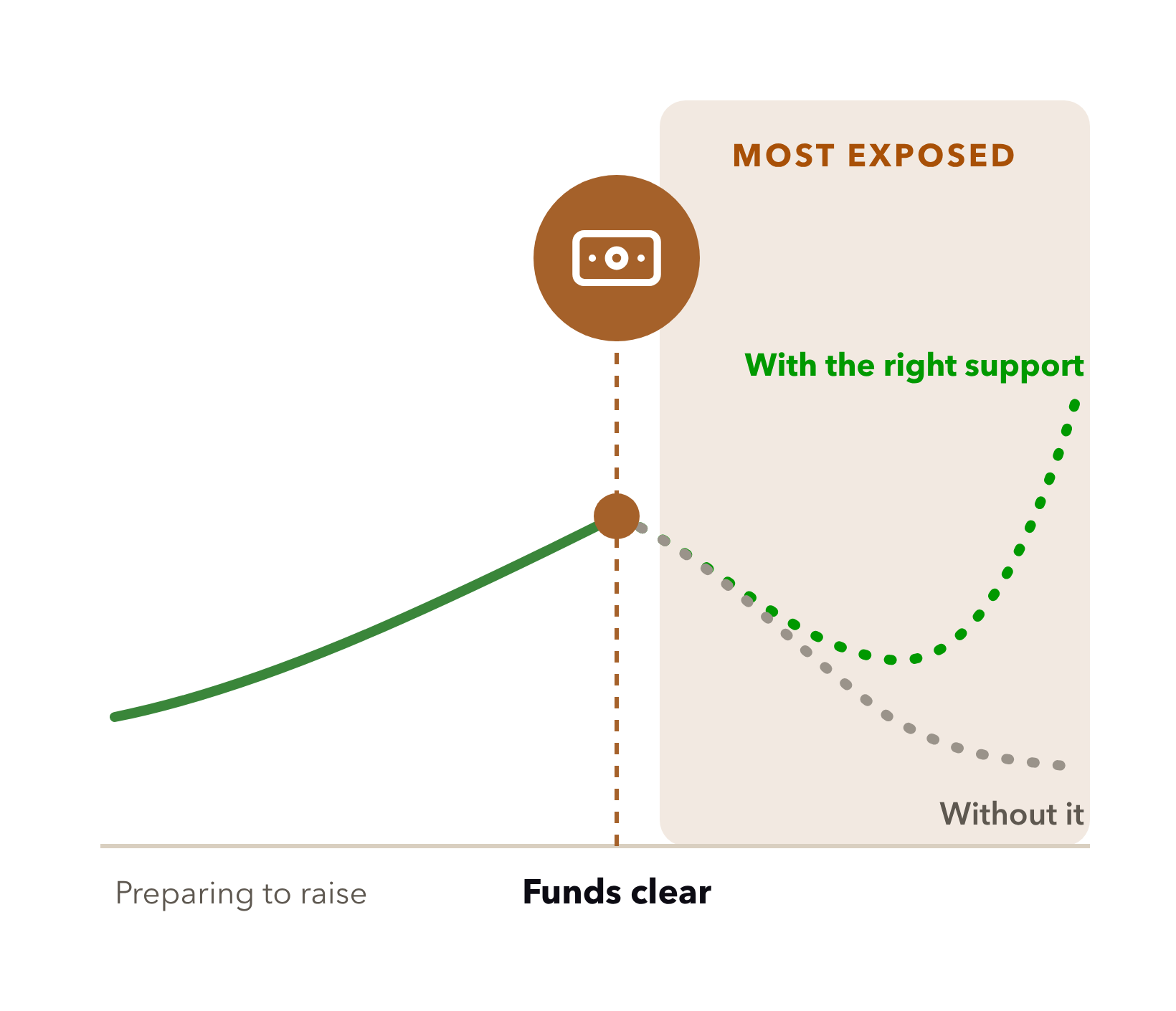
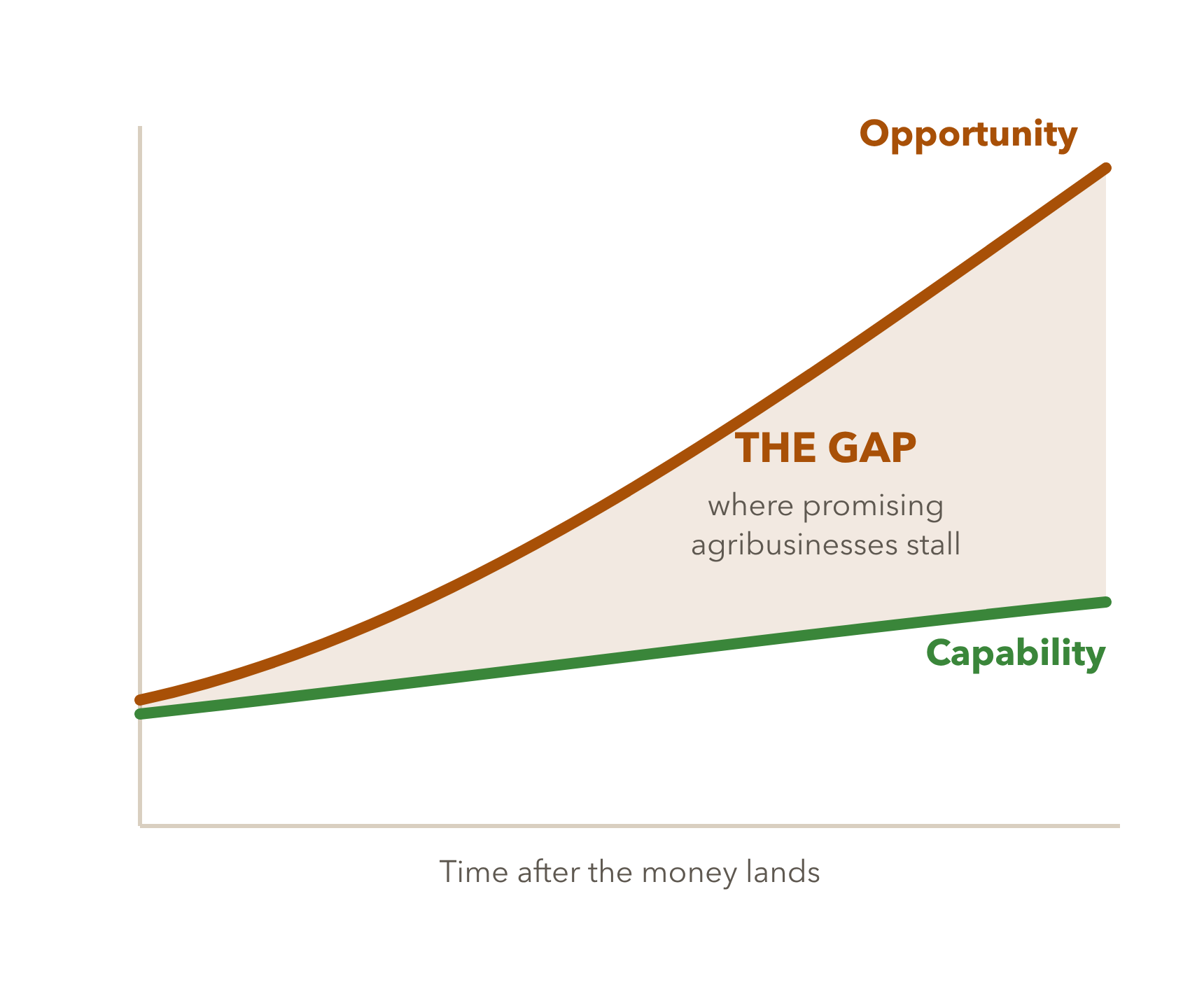
On the day the money lands, an agribusiness takes on obligations it has never carried and commits to plans it has never executed, and it attempts both with the same team and systems that got it this far. Capital creates the opportunity to grow. It does not create the capability to manage growth, and the gap between the two is where many promising African agribusinesses stall.
A good plan is the easy part
Much of the attention around SME financing focuses on getting businesses investment-ready. Entrepreneurs are supported to prepare business plans, develop financial projections, strengthen financial reporting and meet investor requirements.
These activities are essential, but they address only part of the challenge. A compelling business plan demonstrates what a company intends to achieve. Delivering those ambitions requires a different set of capabilities.
Consider an agro-processing business that raises capital to expand its processing capacity. Its financial projections may anticipate higher production volumes, increased revenues and improved profitability. However, achieving these outcomes depends on securing sufficient raw materials, maintaining consistent product quality, managing production costs and establishing reliable markets for the additional output.
If these elements are not adequately managed, the investment may result in underutilised equipment, higher operating costs and increased pressure on cash flows.
Nothing in that story reflects a flawed investment thesis. It reflects execution risk that sat outside the spreadsheet.
Growth breaks what used to work
Scaling exposes systems that were perfectly adequate for a smaller business. Bookkeeping that once sufficed now needs to become monthly management accounts, product-level margins and rolling cash flow forecasts. Procurement that ran on personal relationships with a handful of suppliers must now coordinate hundreds of farmers, quality standards and payment cycles.
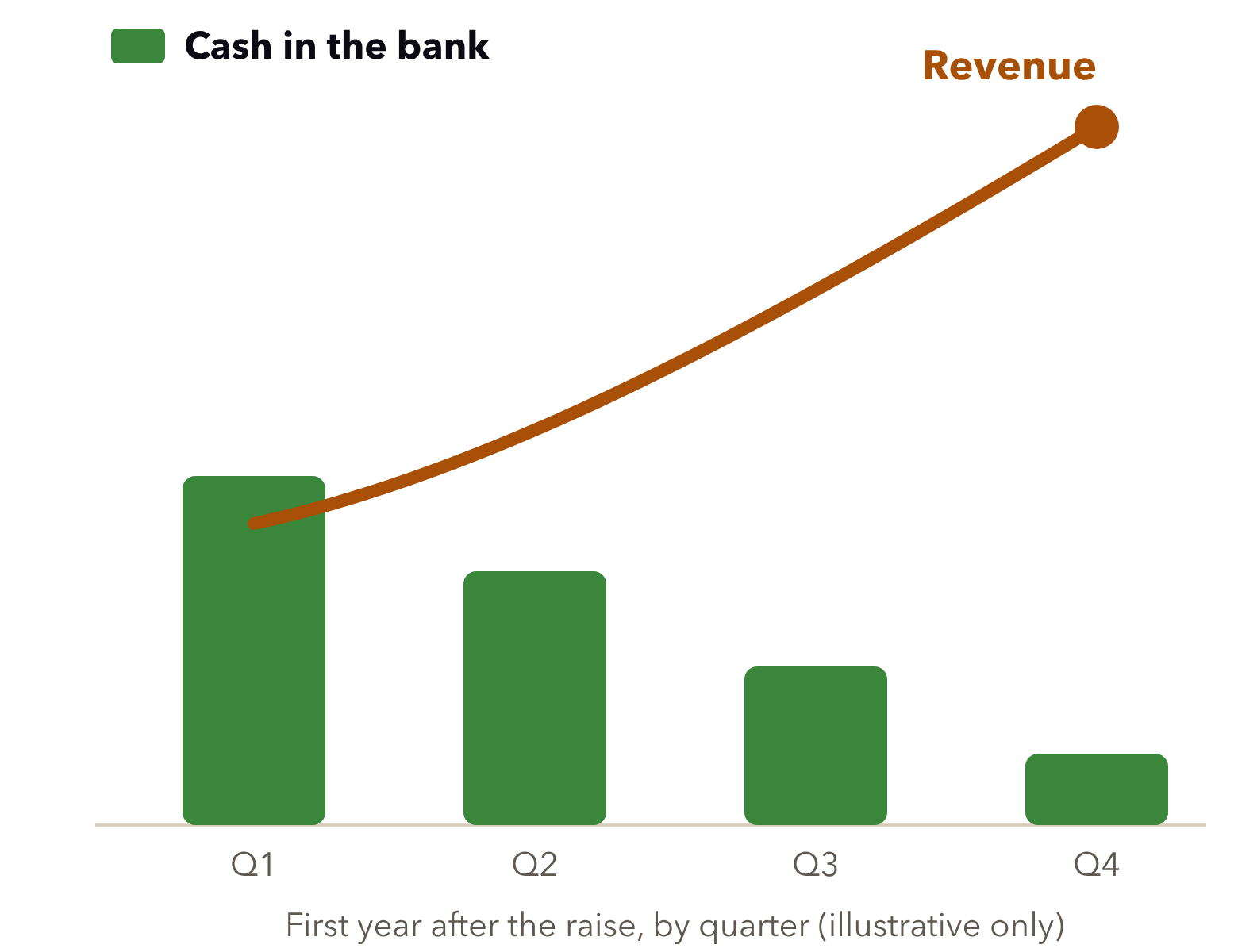
The most counterintuitive pressure is on cash. A business can grow its revenue quickly and still run short of money, as more of it is locked up in raw material stocks, finished goods and customers who pay in 60 or 90 days. For a business that has raised debt, the squeeze is acute because repayment schedules do not flex for a late harvest or a slow-paying supermarket.
Growth also places greater demands on management. Founders who previously oversaw most business functions may need to delegate responsibilities, strengthen internal controls and establish clearer accountability structures.
Support that fits the business
None of these pressures are mysterious. Most are visible during due diligence, which is exactly where post-investment support should begin, rather than after the first missed target.

The businesses that navigate this period well tend to have support shaped around how they will actually use the capital. An agro-processor expanding capacity is likely to need help securing raw material and converting market interest into firm orders. An input distributor scaling its network may gain more from tighter stock control and disciplined customer collections. A generic menu of workshops serves neither.
Good support is also judged against the same commercial outcomes as the investment itself, namely, capacity utilisation, gross margin, cash conversion and the depth of the management team. It is hands-on and time-bound, and it is designed to leave the business needing less outside help over time, not more.
Counting the right things
For investors and development partners, capital deployed is an important indicator of financing activity, but it is not necessarily evidence of business success. The more meaningful question is what happens after disbursement.
Has the investment increased productive capacity and improved capacity utilisation? Has the business strengthened its margins and cash generation? Has it expanded into viable markets? Are its management systems stronger, and is it better positioned to sustain growth without continued external support?
These outcomes depend on ongoing engagement, practical interventions and regular performance reviews, as well as closer alignment between financing and business development support. Support organisations, such as ours at Agri Frontier Growth Hub, are well placed to provide this, particularly when fundraising and post-investment support are treated as one continuous engagement. The operational and financial gaps identified during due diligence can then become the basis of a targeted improvement plan, monitored against the targets the investment was meant to deliver, so that risks are addressed before they undermine performance. Continuity matters too, since the people helping a founder execute already understand the business, its investors and the commitments it has made.
A shared responsibility
Access to finance remains essential for African agribusiness. Without it, promising enterprises cannot invest in the infrastructure, technology and working capital they need to reach their potential. But finance alone does not finish the job.
For founders, the priority shifts from raising capital to deploying it well, which means planning for execution with the same rigour they brought to the pitch. For investors, it means looking beyond disbursement to the performance that follows, and budgeting for the support that makes that performance more likely. For the organisations that serve both, it means staying in the room after the deal is done.
The cheque finances the opportunity. What happens after it clears decides whether that opportunity becomes a lasting business.
← Back to Insights