
Empowering Smallholder Farmers: Strategies for Inclusive Value Chain Development
There are an estimated 500 million small holder farmers worldwide and 33 million in Africa that play a significant role in supporting the sustainable development goals (SDGs) of zero hunger in our households. Small scale farmers in Africa produce 70% of the continent’s food supply yet account for 90% of the people living in poverty in Sub Saharan Africa.
In Africa, many of the small scale or small holder farmers occupy less than 2 hectares of land that they farm to produce enough for their household and the surplus is sold at the local food markets. The same is seen around the world in countries such as India where 98% of the farmers are small, 90% in Ethiopia and Egypt while in Mexico, small scale farmers accounts for 50%.
Many of these farmers take up additional economic activities to support the small income they get from their farming activities. The vast majority of the farmers in Africa practise monoculture, cultivating one type of crop on their farms, with maize being the common food crop produced. Many African countries similar to Kenya have designated large track of land for cash crop farming such as; tea, coffee, cotton, that take up a large portion of fertile land that arguably should be used for food crops. The ripple effect over the years is now being felt with challenges of accessing sufficient food supply across the continent.
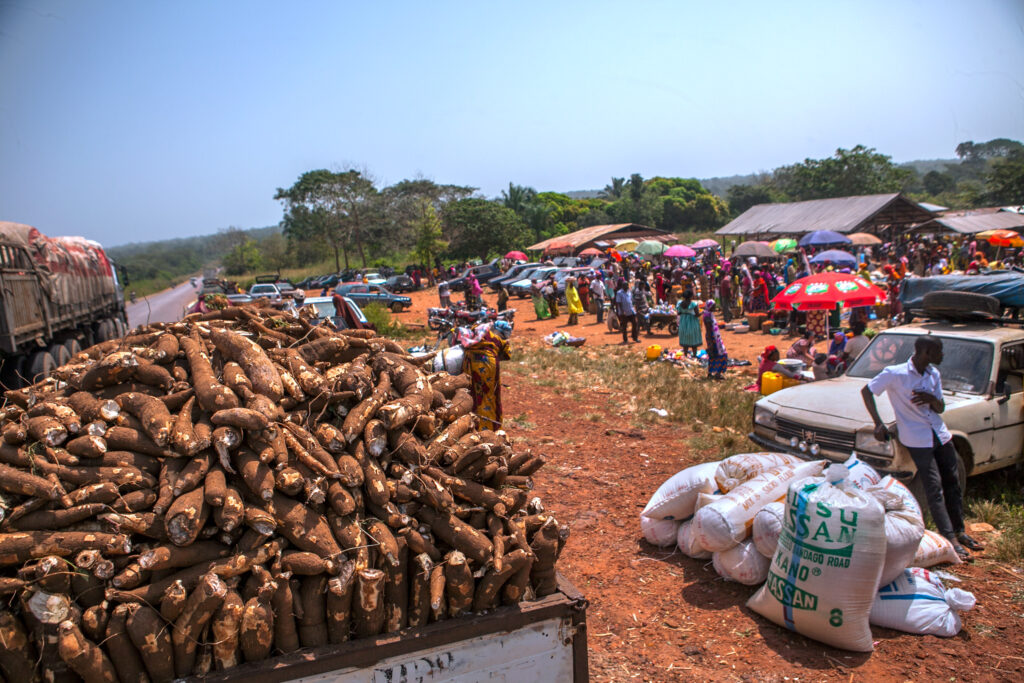
In spite of the challenges small scale farmers go through, they operate their farms in a similar way but at a much-reduced scale to how established agricultural companies run their farms; they look for capital to invest in inputs, require productive farming tools and make decisions that have an impact on their yields and profits. Agriculture requires many decisions to be made, even at a small-scale level; what to plant, picking the right season, the capital required, who and which channels to sell through, revenues, costs, what produce to consume internally and how much to sell to sustain their farming.
Understanding the challenges and obstacles that small holder farmers have to overcome and the importance of the role they play towards food security world wide is important to everyone. It is not only imperative that more funds are channelled towards ensuring farmers get seeds, inputs and fertilizers at an affordable rate, but it also requires more support from government and the private sector towards empowering farmers to benefit more in the Agri value chain.
A number of strategies can be implemented in the development of the value chain that can promote their participation, profitability and sustainability within the agricultural system. These can include;
- Capacity building: Sustainable farming practices is important through training and education that will encourage efficient farming techniques, prudent land management and effective post harvest handling to minimize loses. These skills will be vital to increase the quality and quantity of yields for the farmers.
- Access to inputs: Farmers need access to affordable and quality inputs such as; seeds, fertilizers and pesticides. The goodwill of the government is necessary to ensure input subsidies while support from the private sector/ not for profit organizations in providing credit facilities and input supply networks will help catalyse the Agri sector and make inputs more accessible to farmers.

- Market linkages: Supply chain in the Agri value chain has become more commercialized leading to marginalization of farmers and isolation from lucrative market opportunities. Opening access to these markets will play a crucial role in ensuring farmers are better connected to buyers, processors, retailers and exporters. This will support reduction in post harvest loses, better prices for farmer produce and access to a wide network necessary in providing more prospects in the form of off-takers to the farmers. Agri Frontier has successfully supported multiple Agri SMEs in market linkages by leveraging on its expansive experience and export network within Africa and in other continents.
- Value addition: Access to capital and reduced operational costs encourages farmers to diversify from primary production towards value addition through various functions such as processing, packaging, branding that not only increases their profitability but promotes job creation in the sector.
- Infrastructure development: More emphasis should be placed on building better road networks, irrigation systems, better storage options that will facilitate trade and improve access to the market. Inadequate road infrastructure has for many farmers around the world affected the efficient movement of goods while lack of proper storage options such as cold rooms has significantly affected post harvest loses estimated at 20%-30% of harvested crops.
- Climate smart agriculture: Promoting sustainable and affordable climate smart practices will promote higher yields and contribute towards reduction of Co2 gas emissions. Agri frontier is playing a critical role in providing advisory support to Agri SMEs in adopting a more climate centred approach to farming.
- Gender inclusion: Providing women with platforms that allow them access in having a more active role in the decision-making process will positively contribute to women empowerment in agriculture and in the entire value chain.
- Policy Support: Private and public sectors can both provide an enabling environment that support farmers through the decisions made and policies adopted. Ensuring the policies promote subsidies for agricultural inputs, access to extension services, fair trade regulations and land tenure security will have a big impact on farmers.
Implementation of these strategies will charter a way forward towards having a more positive impact on small holder farmers within the value chain, enriching their lives and safeguarding the future of generations to come.
By Brian Ndegwa, Agri Frontier Growth Hub
Sources:
https://kenya.highcommission.gov.au/nair/francismusavi.html
https://openknowledge.fao.org/server/api/core/bitstreams/32709b4d-ed41-4b1e-9d37-91786824cb9e/content
https://www.farmafrica.org/latest/postcard-from/post/1062-
https://www.greenpeace.org/africa/en/press/11773/cutting-the-hand-that-feeds-the-plight-of-smallholder-farmers-in-kenya/